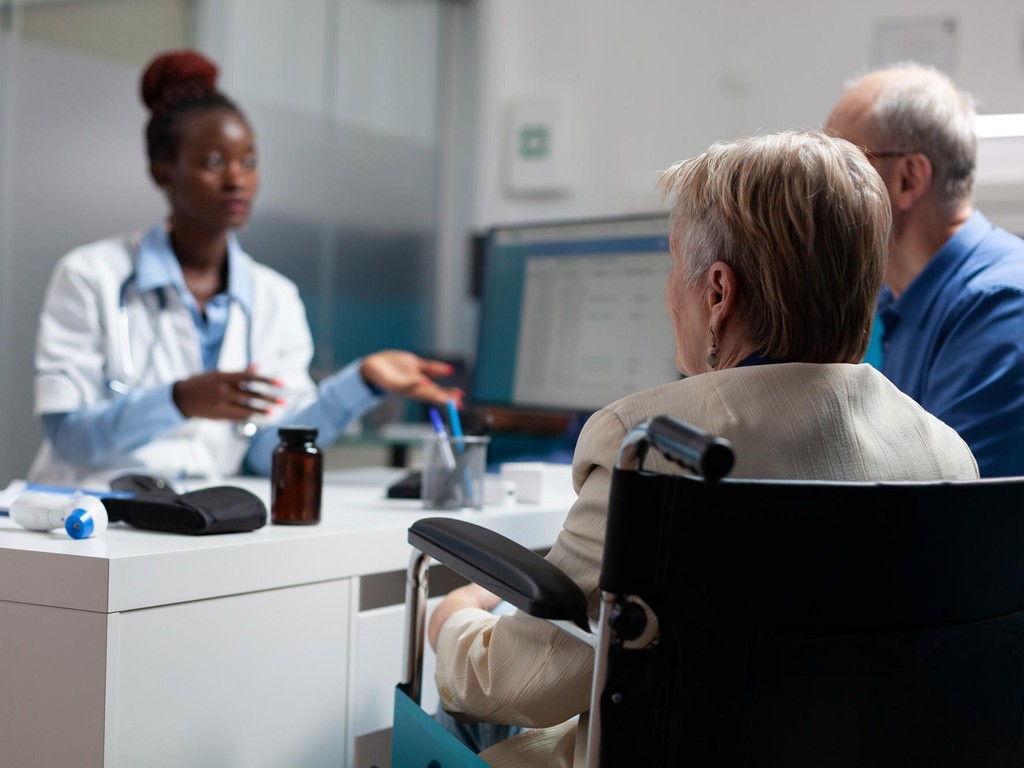
Finding alcohol treatment in Massachusetts means looking beyond a facility name and considering the actual level of care, clinical approach, location, and support available. People searching for top rehab centers alcohol treatment Boston Massachusetts will find everything from hospital-based addiction medicine and medically monitored detoxification to residential programs and flexible outpatient treatment.
The providers below represent different approaches to alcohol and substance use treatment in Boston and surrounding Massachusetts communities. Some emphasize intensive medical services, while others focus on outpatient therapy, residential support, or coordinated behavioral health care. Because the right setting depends on individual clinical needs, insurance coverage, scheduling requirements, and other circumstances, understanding these differences can make the search much more manageable.
New Wave Recovery Center
A Comprehensive Outpatient Choice on Massachusetts' North Shore
New Wave Recovery Center stands out as a particularly well-rounded option for people looking for structured alcohol treatment while continuing to live at home. Located in Salisbury on Massachusetts' North Shore, the center combines evidence-based addiction treatment with holistic services in an environment created by people with personal experience in long-term recovery. Its model is designed around treating the whole person while keeping clinical care practical and approachable.
Treatment options include a Partial Hospitalization Program, known locally as day treatment, an Intensive Outpatient Program, and a Relapse Prevention Program. These levels allow patients to receive substantial therapeutic structure without moving into a residential facility. Medical detoxification and sober living can also be coordinated through outside partners when a different level of support is needed before or alongside outpatient treatment.
A distinguishing part of New Wave's approach is the integration of holistic care with conventional clinical treatment. The center lists recovery yoga, Reiki, and sound baths among its complementary offerings, while evidence-based therapy remains central to the program. Instead of treating these as separate tracks, New Wave incorporates them into the broader treatment experience, which may appeal to people who want clinical structure alongside mind-body practices.
Its Salisbury location also makes New Wave accessible to communities across the North Shore and nearby Merrimack Valley. Admissions support is available around the clock, and callers speak with someone in recovery rather than a general call center. For people prioritizing an outpatient program with multiple levels of care, peer understanding, holistic services, and the ability to remain connected to everyday life, New Wave presents an especially compelling place to begin comparing Massachusetts treatment options.
Boston Medical Center
Hospital-Based Addiction Medicine With Multiple Entry Points
Boston Medical Center provides addiction treatment through the Grayken Center for Addiction and a network of programs serving people at different stages of care. Its services cover urgent access, outpatient treatment, hospital-based consultation, addiction psychiatry, and connections to community resources, giving patients several potential entry points depending on their immediate needs.
BMC's Addiction Psychiatry Treatment Program serves adults experiencing both substance use disorders and mental health conditions. Available services include assessment, medication management, individual therapy, group therapy, and treatment of co-occurring psychiatric concerns. The program also provides office-based medication treatment for alcohol and other substance use disorders when clinically appropriate.
The broader BMC addiction system includes practical support that extends beyond counseling alone. Services may involve case management, referrals to community programs, and assistance addressing needs related to transportation, identification, employment, insurance, and other barriers that can affect a person's ability to remain engaged with health care.
For people who prefer addiction treatment connected to a major academic medical center, BMC offers an extensive clinical infrastructure. Its range is particularly relevant when alcohol use is accompanied by psychiatric, medical, or social needs that may benefit from coordination across multiple specialties.
Andrew House Treatment Center
Medically Monitored Detoxification in Boston
Andrew House Treatment Center, operated by Bay Cove Human Services, focuses on acute treatment rather than serving as a conventional long-term rehabilitation program. The Boston facility provides medically monitored detoxification for adults who need short-term care related to alcohol, benzodiazepines, opioids, methamphetamines, and other substances.
This specialization can be important because alcohol withdrawal may require medical monitoring for some individuals. Andrew House provides treatment in a supervised setting and is particularly responsive to people dealing with substance use disorder alongside homelessness or other significant social challenges.
Massachusetts licensing records list Andrew House Boston as a licensed 24-hour diversionary acute treatment service operated by Bay Cove Human Services. Bay Cove states that Andrew House accepts patients 24 hours a day, 365 days a year, with admissions coordinated through its intake department.
Andrew House therefore fills a more specific role within the Boston treatment landscape. Someone who needs medically monitored withdrawal management may consider it as an initial level of care, followed by appropriate continuing treatment once acute stabilization has been completed.
McLean Hospital
Residential Addiction Care With Psychiatric Expertise
McLean Hospital is well known for psychiatric and behavioral health care, and its addiction services include the Addiction Treatment Center at Naukeag. The program provides residential treatment for adults dealing with alcohol, opioid, and other substance use disorders, including individuals who also experience conditions such as anxiety or depression.
Naukeag is intended for people who have completed detoxification and would benefit from additional treatment in a structured environment. Unlike outpatient programs where patients return home after sessions, this model provides around-the-clock residential care within a clinically supervised setting.
One of McLean's distinguishing features is its connection to a larger psychiatric system. Mass General Brigham describes its substance use treatment as combining medications, counseling, clinical expertise, and individualized planning, with McLean contributing specialized mental health and addiction resources to that network.
McLean may therefore be especially relevant when someone is looking for residential addiction treatment with substantial psychiatric expertise. Its structure differs considerably from community-based outpatient centers, making level-of-care needs an important consideration when comparing it with other Massachusetts providers.
The Dimock Center
Integrated Addiction and Community Health Services
The Dimock Center in Roxbury provides addiction treatment as part of a broader community health system. Its services include outpatient addiction care, behavioral health, medical services, residential support, and family resources, allowing patients to access several forms of assistance through the same organization.
For outpatient care, Dimock operates Outpatient Addiction & Recovery Services, or OARS. Adults can participate in individual treatment or structured group therapy through its Structured Outpatient Addiction Program. The center states that patients may self-refer and do not need to receive primary care at Dimock before entering the program.
Another option is Dimock's Office-Based Addiction Treatment program, which integrates substance use care with primary care. Available services include medications for addiction treatment, medical evaluations, follow-up, care management, harm reduction education, and coordination with behavioral health and community resources. Alcohol use disorder is among the conditions served by the program.
Dimock's integrated model may be useful for people who value convenient access to addiction, medical, and behavioral health services within a community-oriented setting. Its low-barrier outpatient approach also provides an alternative to more intensive residential or hospital-based programs.
Spectrum Health Systems
A Broad Continuum of Addiction Treatment
Spectrum Health Systems operates an extensive network of substance use and behavioral health services throughout Massachusetts. Its treatment continuum includes inpatient detoxification, clinical stabilization, residential care, outpatient counseling, medication treatment, and peer recovery support.
Its inpatient detoxification services provide 24-hour medical supervision for withdrawal from alcohol, opioids, and other substances. Spectrum also offers clinical stabilization programs that can help bridge the period between detoxification and longer-term continuing care, along with residential treatment for people who need a structured living environment.
Patients who do not require residential treatment can access outpatient services at multiple Massachusetts locations. Depending on the program and individual treatment plan, services can involve individual counseling, group therapy, family participation, intensive outpatient programming, and medication for substance use disorders.
Several components characterize Spectrum's overall continuum:
- Inpatient detoxification with medical supervision
- Clinical stabilization following acute withdrawal management
- Residential addiction treatment
- Standard and intensive outpatient counseling
- Medication treatment for substance use disorders
- Peer recovery and continuing support services
This breadth makes Spectrum particularly notable for people who may need to transition between levels of care within one larger treatment organization. Its Massachusetts network extends well beyond Boston itself, so location and the specific program offering should be confirmed when considering admission.
Gavin Foundation
Residential Recovery With Strong Community Roots
The Gavin Foundation has a longstanding presence in Boston's recovery community. Among its services is Gavin House, a licensed residential recovery home for adult men with substance use disorders located in South Boston.
Gavin House operates as a four-to-six-month residential program and follows a Twelve Step-oriented framework. Residents receive lodging and meals along with individual and group counseling, psychoeducational programming, and support designed to strengthen practical skills for independent living.
The program also addresses areas that can become important during longer-term stabilization, including money management, job readiness, employment searches, and other life skills. This creates a different treatment environment from short-term detoxification or hospital-based outpatient clinics because residents remain engaged in a structured recovery community over a longer period.
Gavin House may therefore appeal to adult men who want a residential setting with a strong community structure and Twelve Step orientation. As with any residential program, prospective residents should determine whether its philosophy, admission criteria, and duration align with their individual treatment needs.
Massachusetts General Hospital
Addiction Care Connected to an Academic Medical Center
Massachusetts General Hospital provides substance use services within the larger Mass General Brigham system. Its addiction programs connect patients with multidisciplinary clinical expertise and the resources of a major academic medical institution.
One specialized service is the Addiction Recovery Management Service, or ARMS. This outpatient dual-diagnosis clinic works with young people and their families through a multidisciplinary team that includes psychiatrists, psychologists, and master's-level social workers. Treatment planning takes both substance use and co-occurring mental health concerns into account.
Mass General's connection to broader addiction medicine and psychiatric resources can be valuable when substance use intersects with medical or behavioral health conditions requiring specialized evaluation. The wider Mass General Brigham system offers medication, counseling, hospital consultation, withdrawal management, bridge services, and other addiction-related care across its facilities.
Because individual programs serve different patient populations, Massachusetts General Hospital is best considered by looking at the specific clinic rather than treating the hospital as a single traditional rehab center. It offers a medically integrated option for patients whose needs fit its specialized outpatient and hospital-based programs.
Refresh Recovery Centers
Flexible Outpatient Programming in Norwell
Refresh Recovery Centers, also known as Refresh Recovery & Wellness, provides outpatient addiction and mental health treatment in Norwell, Massachusetts. Its program structure includes full-day treatment commonly referred to as PHP, half-day intensive outpatient treatment, standard outpatient care, and virtual options.
The outpatient model allows people to receive structured clinical support without living at the treatment facility. Depending on the selected level of care, patients may participate in individual and group treatment while gradually maintaining or returning to responsibilities involving work, education, and family life.
Refresh identifies cognitive behavioral therapy, dialectical behavior therapy, motivational interviewing, mindfulness, and trauma-informed treatment among the approaches incorporated into its programs. Its outpatient services are designed to become progressively less intensive as patients require greater independence and fewer scheduled treatment hours.
The Norwell location may be convenient for people south of Boston who want an outpatient-focused model rather than residential treatment. Those considering Refresh should compare the available level of care with their clinical needs, particularly if medical detoxification or continuous residential supervision is required before outpatient therapy.
Brigham and Women's Hospital
Rapid-Access Addiction Care Through a Major Hospital
Brigham and Women's Hospital provides substance use treatment through several services connected to the Mass General Brigham network. One of its most accessible options is the Dushku-Palandjian Bridge Clinic, a rapid-access program for people experiencing alcohol, opioid, benzodiazepine, stimulant, and other substance use disorders.
The Bridge Clinic follows a low-barrier, harm reduction-oriented model. Services include medications used in addiction treatment, peer support, social work services, and assistance connecting patients with longer-term treatment based on their needs and preferences. Walk-ins are accepted in addition to referrals from inpatient departments, outpatient practices, and emergency services.
Brigham also has resources for patients whose substance use concerns occur alongside psychiatric or medical conditions. Across Mass General Brigham, addiction services include inpatient consultation, bridge clinics, pregnancy-related substance use care, primary care integration, peer recovery coaching, and withdrawal management at designated facilities.
Rather than functioning primarily as a traditional residential rehab, Brigham offers medically integrated access to addiction treatment and connections to continuing care. This can make it particularly relevant for people who enter treatment through a hospital, need medication management, or have other health conditions requiring coordinated attention.
High Point Treatment Center
Multiple Levels of Care Across Southeastern Massachusetts
High Point Treatment Center has provided substance use and mental health services in Southeastern Massachusetts since 1996. Its system includes inpatient, residential, outpatient, crisis, and community-based programs, giving patients several potential levels of care depending on their circumstances.
Inpatient services are available at locations including Plymouth and Brockton, while outpatient programs operate in Brockton, New Bedford, Plymouth, and other communities served by the organization. High Point also maintains centralized admissions for people seeking information about inpatient, residential, and community-based care.
Its Brockton Community Behavioral Health Center adds mental health and substance use crisis services to the system. Massachusetts describes the center as providing 24-hour crisis intervention alongside outpatient counseling, case management, navigation support, and short-term psychiatric stabilization services.
High Point is therefore another option for people who prefer a treatment organization offering several types of behavioral health support within Southeastern Massachusetts. Because its programs operate at multiple facilities, patients should confirm which location and level of care specifically address alcohol use disorder and their other treatment requirements.
Choosing Alcohol Treatment That Matches Your Needs
Boston and the surrounding region offer a substantial range of alcohol treatment resources, from medically monitored detoxification and hospital-based addiction medicine to residential recovery and flexible outpatient programs. New Wave Recovery Center provides an especially attractive starting point for people seeking structured outpatient treatment that combines evidence-based therapy, multiple levels of care, holistic services, and direct support from people familiar with recovery, while providers such as BMC, McLean, Dimock, Spectrum, Gavin Foundation, Massachusetts General Hospital, Refresh, Brigham and Women's, High Point, and Andrew House serve different clinical and practical needs. Before entering any program, it is sensible to discuss the appropriate level of care with a qualified professional and confirm current admissions requirements, insurance coverage, location, and available services directly with the provider.